Quintodecimo Fiano d'Avellino Exultet 2024
93 pts Vinous
Drinking Window: 2025-2034
The 2024 Fiano di Avellino Exultet evolves with a soothingly confectionary mix of sweet smoke, vanilla bean, stone dust and lemon sorbet. Silken textures are offset by a citrus twang as notes of mint-laced green apple settle on the senses. The 2024 leaves a crisp sensation, tapering off airy and perfumed with a hint of lime that fades slowly. This is a stimulating vintage of Exultet that should mellow with further cellaring. That said, there is no harm in enjoying it today. - By Eric Guido on September 2025
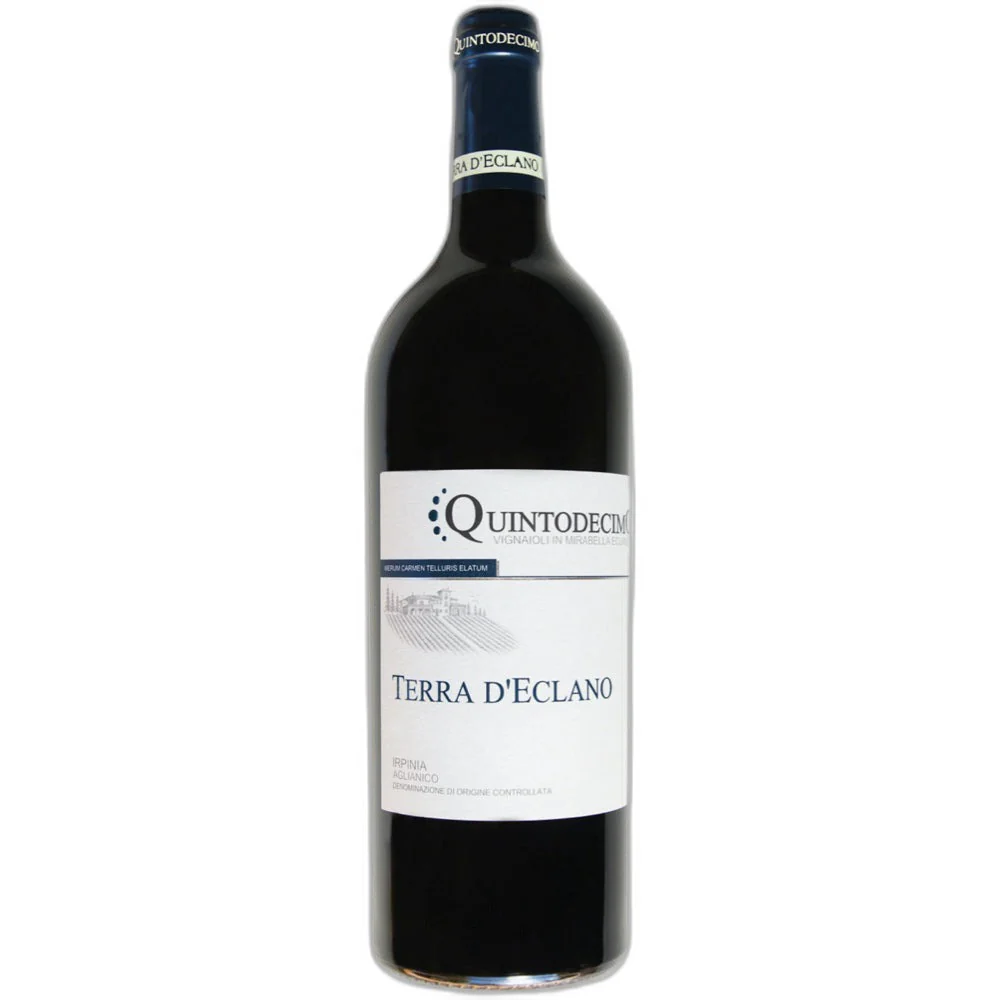
The new-release reds from Quintodecimo hail from two very warm vintages (2020 and 2022), but they’re all attractive wines. The two 2020 Taurasis possess forward, open-knit personalities married to depths of fruit and sweet tannins. I don’t expect them to be as long-lived as the best years, but they will overdeliver through the next decade or more. The 2022 Aglianico Terra d'Eclano, is a pure pleasure to taste, with the variety’s inherent tannic clout providing plenty of balance. Though the 2024 whites are currently quite backward, they are beautifully balanced; these wines typically age quite well, and I don’t expect the 2024s to be any different.
Grape: Fiano 100%
Year of vineyard planting: 2004
Altitude: 570 meters
Exposure: Southwest
Soil: Clayey-calcareous
Vineyard of origin: Lapio, planted 2004
Viticulture: Simple horizontal espalier with Guyot pruning. End of September - first ten days of October. Manually picked in small 15 kg boxes
Winemaking: After a long pressing of the whole bunches, the free-run must, strictly protected from oxygen, it is separated from that of the press and clarified by natural sedimentation. Fermentation occurs for the 70% in stainless steel vats and 30% in new oak barriques.
Elevage: Continued an eight-month period of ELEVAGE on fine lees regularly resuspended in the wine.
Terroir
“Exultet” is sourced from high-altitude vineyards in Lapio, one of the most prized communes in the Fiano di Avellino DOCG. At elevations of 570–600 meters above sea level, the vines experience cool nights and a long, steady growing season that promotes slow ripening and remarkable aromatic development. The soils are predominantly clay-limestone with volcanic influences, well-draining yet nutrient-rich, which contribute to the wine’s combination of richness and precision. South and southeast exposures allow for optimal sun capture, while persistent breezes help maintain grape health and freshness until harvest.
Vinification
Hand-harvested in mid-October at full physiological ripeness, the grapes are softly pressed to preserve delicate aromas. Fermentation takes place primarily in stainless steel tanks at controlled temperatures, with a small percentage fermented and aged in new French oak barrels to add a subtle layer of spice and texture. The wine remains on its fine lees for several months, with periodic bâtonnage to build a creamy mid-palate. Bottling occurs the following spring to ensure both aromatic intensity and structural integrity.
Tasting Notes
The 2024 Exultet is a luminous straw-gold with green reflections. The nose is immediately expressive, offering layers of acacia honey, candied citrus peel, white fig, and ripe pear, intertwined with hints of hazelnut, broom flower, and a gentle smoky-mineral nuance. On the palate, it strikes a harmonious balance between opulence and tension—ripe tropical and orchard fruit glide over a backbone of lively acidity, with a fine chalky grip lending shape. The long, elegant finish lingers with notes of lime blossom, almond, and delicate spice.
Serving & Pairing
Serve at 10–12 °C. A versatile gastronomic white, Exultet pairs beautifully with scallops in beurre blanc, baked grouper with herbs, rabbit cacciatore, or pasta with truffle cream. With its structure and natural acidity, it also shows outstanding aging potential—over 8–10 years it will develop honeyed, nutty complexity while retaining its mineral freshness.
Original: $54.99
-70%$54.99
$16.50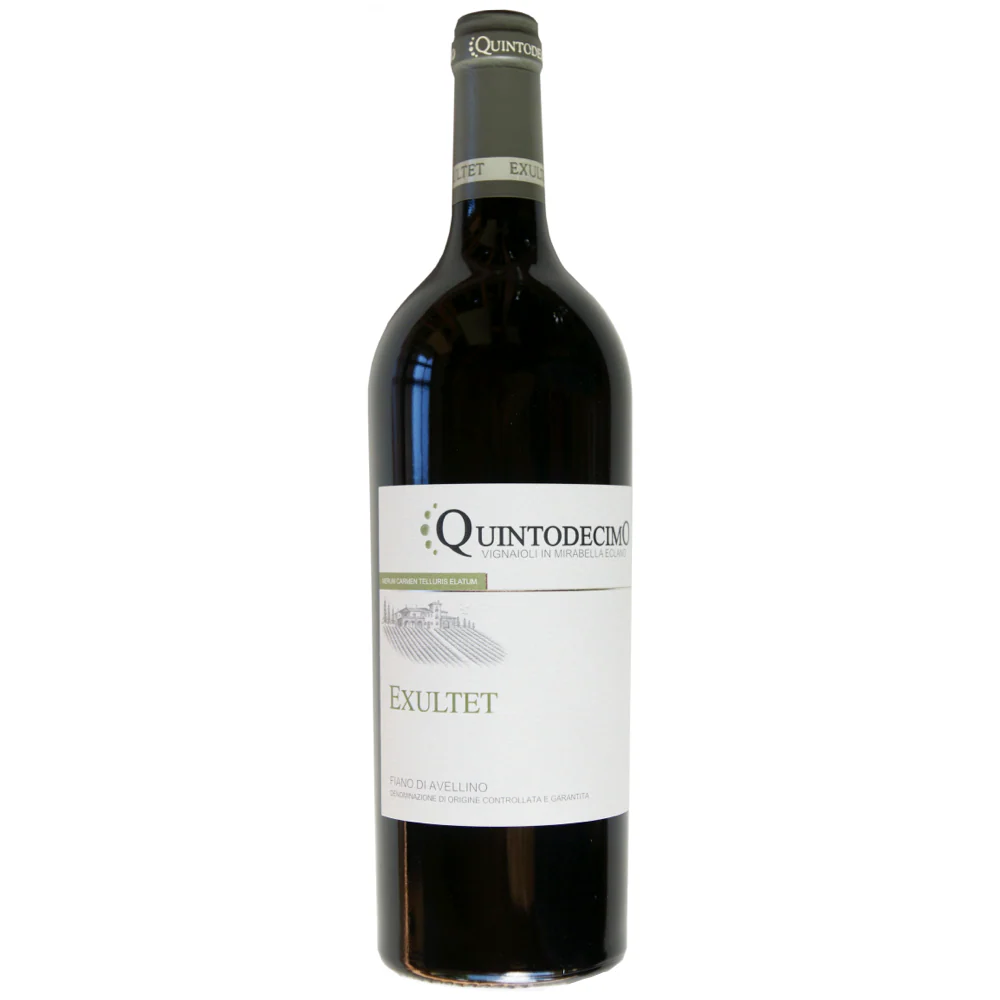
Description
93 pts Vinous
Drinking Window: 2025-2034
The 2024 Fiano di Avellino Exultet evolves with a soothingly confectionary mix of sweet smoke, vanilla bean, stone dust and lemon sorbet. Silken textures are offset by a citrus twang as notes of mint-laced green apple settle on the senses. The 2024 leaves a crisp sensation, tapering off airy and perfumed with a hint of lime that fades slowly. This is a stimulating vintage of Exultet that should mellow with further cellaring. That said, there is no harm in enjoying it today. - By Eric Guido on September 2025
The new-release reds from Quintodecimo hail from two very warm vintages (2020 and 2022), but they’re all attractive wines. The two 2020 Taurasis possess forward, open-knit personalities married to depths of fruit and sweet tannins. I don’t expect them to be as long-lived as the best years, but they will overdeliver through the next decade or more. The 2022 Aglianico Terra d'Eclano, is a pure pleasure to taste, with the variety’s inherent tannic clout providing plenty of balance. Though the 2024 whites are currently quite backward, they are beautifully balanced; these wines typically age quite well, and I don’t expect the 2024s to be any different.
Grape: Fiano 100%
Year of vineyard planting: 2004
Altitude: 570 meters
Exposure: Southwest
Soil: Clayey-calcareous
Vineyard of origin: Lapio, planted 2004
Viticulture: Simple horizontal espalier with Guyot pruning. End of September - first ten days of October. Manually picked in small 15 kg boxes
Winemaking: After a long pressing of the whole bunches, the free-run must, strictly protected from oxygen, it is separated from that of the press and clarified by natural sedimentation. Fermentation occurs for the 70% in stainless steel vats and 30% in new oak barriques.
Elevage: Continued an eight-month period of ELEVAGE on fine lees regularly resuspended in the wine.
Terroir
“Exultet” is sourced from high-altitude vineyards in Lapio, one of the most prized communes in the Fiano di Avellino DOCG. At elevations of 570–600 meters above sea level, the vines experience cool nights and a long, steady growing season that promotes slow ripening and remarkable aromatic development. The soils are predominantly clay-limestone with volcanic influences, well-draining yet nutrient-rich, which contribute to the wine’s combination of richness and precision. South and southeast exposures allow for optimal sun capture, while persistent breezes help maintain grape health and freshness until harvest.
Vinification
Hand-harvested in mid-October at full physiological ripeness, the grapes are softly pressed to preserve delicate aromas. Fermentation takes place primarily in stainless steel tanks at controlled temperatures, with a small percentage fermented and aged in new French oak barrels to add a subtle layer of spice and texture. The wine remains on its fine lees for several months, with periodic bâtonnage to build a creamy mid-palate. Bottling occurs the following spring to ensure both aromatic intensity and structural integrity.
Tasting Notes
The 2024 Exultet is a luminous straw-gold with green reflections. The nose is immediately expressive, offering layers of acacia honey, candied citrus peel, white fig, and ripe pear, intertwined with hints of hazelnut, broom flower, and a gentle smoky-mineral nuance. On the palate, it strikes a harmonious balance between opulence and tension—ripe tropical and orchard fruit glide over a backbone of lively acidity, with a fine chalky grip lending shape. The long, elegant finish lingers with notes of lime blossom, almond, and delicate spice.
Serving & Pairing
Serve at 10–12 °C. A versatile gastronomic white, Exultet pairs beautifully with scallops in beurre blanc, baked grouper with herbs, rabbit cacciatore, or pasta with truffle cream. With its structure and natural acidity, it also shows outstanding aging potential—over 8–10 years it will develop honeyed, nutty complexity while retaining its mineral freshness.